Remote passenger and cargo logistics

Aircraft leasing structured for remote passenger and cargo logistics.

Aircraft leasing structured for remote passenger and cargo logistics.

Aircraft leasing structured for remote passenger and cargo logistics.

XPLORE Aviation provides utility aircraft options for passenger and cargo movement into challenging and difficult-to-access locations. These capabilities can support organisations operating beyond established transport networks, where dependable aviation access is essential to maintaining continuity.

Mining operations, construction projects, conservation teams, field personnel and remote facilities may depend on aircraft to move people, equipment and essential supplies efficiently.

Passenger and
Cargo Movement

Remote logistics requirements can vary considerably. Some operations may require the movement of technical teams and personnel, while others depend on regular deliveries of equipment, parts, supplies or time-sensitive cargo.

XPLORE Aviation works with clients to identify a suitable aircraft platform based on payload, passenger capacity, range, runway conditions and the nature of the destination. Aircraft availability and configuration are assessed according to each operational requirement.
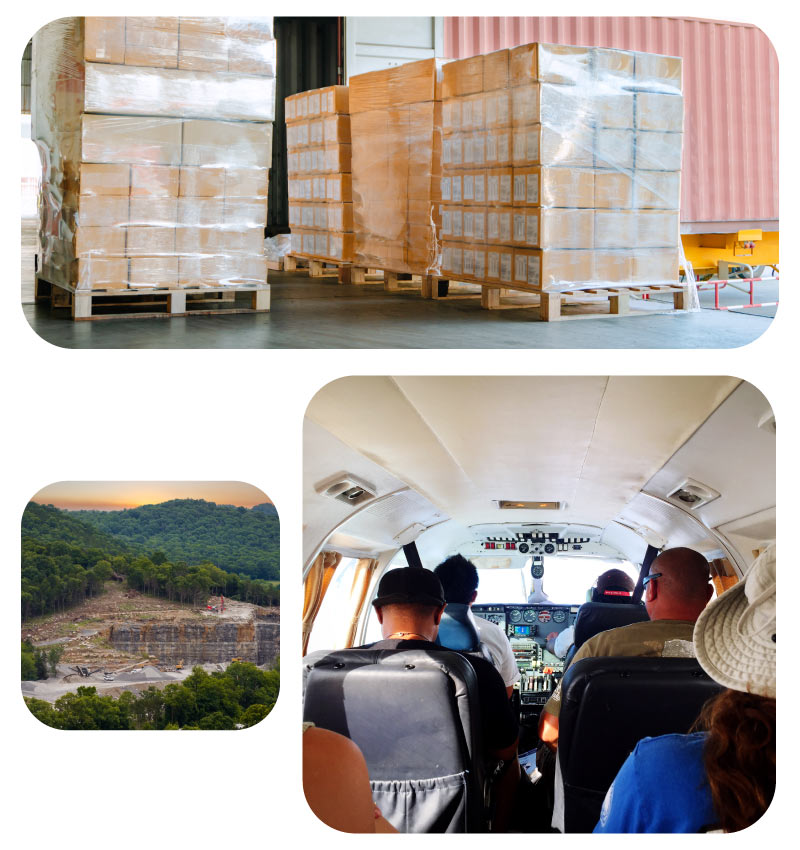

Passenger-and-Cargo-Movement-Image

Aircraft Suited
to Challenging
Locations

Utility aircraft can provide an important connection between established transport hubs and remote project sites. Depending on the selected platform and operating conditions, these aircraft may be able to access regional airfields and locations with more demanding runway environments.

This flexibility makes aviation an effective component of logistics planning where long road journeys, difficult terrain or limited infrastructure could otherwise delay personnel and supplies.